


-

Add: HeBei ShengShi HongBang Cellulose Technology CO.,LTD.
-

Email
13180486930@163.com -

CONTACT US
+86 13180486930



Understanding the intricacies of HPMC juice can elevate your experience with this innovative product, which is gaining significant attention for its unique properties. A relatively new entrant in the market, HPMC juice combines traditional beverage qualities with modern advancements, catering to an ever-growing population of health-conscious consumers. Hydroxypropyl methylcellulose (HPMC) is the central ingredient in this product. Known for its versatility and wide range of applications in the food industry, HPMC is a cellulose derivative acclaimed for its exceptional emulsifying, stabilizing, and thickening properties. What sets HPMC juice apart is these properties do not alter the original taste of the juice, ensuring that each sip is authentic and satisfying. Incorporating HPMC into juice production introduces several benefits . Firstly, it enhances the mouthfeel of the beverage, creating a thicker and more luscious texture that many consumers find appealing. This is particularly advantageous in reduced-sugar formulations, where mouthfeel can often suffer. HPMC helps mimic the texture and satisfying sensation of full-sugar juices without the added calories, making it an attractive option for those watching their sugar intake. Moreover, HPMC acts as a potent stabilizer, preventing the separation of ingredients within the juice. Juices made with natural ingredients often face challenges with sedimentation and ingredient separation over time, affecting texture and consistency. HPMC ensures a homogenous mixture, maintaining the visual appeal and satisfying taste experience throughout the product's shelf life. From an expertise standpoint, the role of HPMC in juice manufacturing is backed by extensive research and proven efficacy within the food sciences community. Numerous studies underscore its safety for consumption and its standing as a GRAS (Generally Recognized As Safe) ingredient by food safety authorities worldwide. As such, manufacturers can confidently integrate HPMC into their products, trusting in its performance and consumer acceptance. hpmc juice HPMC also reflects the evolving demands for clean labeling. With increasing scrutiny over product ingredients, the push towards recognizable, non-GMO, and natural ingredients is forefront in consumer purchasing decisions. HPMC fits seamlessly within these trends, appealing to an audience that values transparency and simplicity in food production. Its applications, however, are not merely functional but extend into the optimization of the juice production process. HPMC is instrumental in reducing the reliance on other synthetic additives and fillers. Consequently, this reduction aligns with both environmental considerations and the burgeoning demand for sustainable practices within the industry. By minimizing the need for extraneous elements, HPMC promotes cleaner, more efficient manufacturing cycles that both benefit the producer and resonate with eco-conscious consumers. Reflecting on trustworthiness, HPMC juice emphasizes safety and reliability. Each step—from sourcing raw cellulose to the rigorous process modifications carried out to synthesize HPMC—is executed under stringent quality assessments. This meticulous attention to quality ensures that consumers receive a product consistent in both taste and health benefits across different batches and brands. Anecdotally, many who have transitioned to HPMC juice acclaim its benefits, noting the texture and stability as standout features. This reflects not only product satisfaction but also informs potential consumers about the positive experiences associated with HPMC juice, promoting wider acceptance. Ultimately, HPMC juice represents a confluence of innovation, expertise, and consumer safety. Its unique attributes are not only anchoring a new category within the beverage industry but also setting a benchmark for what modern consumers can expect from their daily refreshments. As it continues to cement its authority in the market, HPMC juice stands as a testament to how scientific advancement can revolutionize food products, meeting diversified needs without compromising on quality or taste.
- 40000tons

Production
- 20+years

Experience
- 5000+㎡

Acreage

-
Hydroxypropyl Methylcellulose (HPMC) is a versatile and essential ingredient in the cosmetics industry, known for its multifunctional properties that enhance the quality and performance of beauty products. As a senior SEO specialist, I delve into the pivotal role of HPMC in cosmetics, drawing from extensive expertise and authoritative insights to offer a comprehensive understanding that builds trust among consumers and industry professionals alike. Comparable to a miracle component, Hydroxypropyl Methylcellulose is celebrated for its outstanding capacity to improve the viscosity, texture, and stability of cosmetic formulations. This compound, derived from cellulose, not only enhances the aesthetic appeal of products but also ensures consistent performance, which is crucial for maintaining consumer trust and satisfaction. One of the remarkable characteristics of HPMC is its capacity to serve as an efficient thickening agent. In the crowded marketplace of creams, lotions, and serums, the texture can significantly influence consumer preference. Products formulated with the right consistency not only deliver a luxurious feel on application but also indicate a level of sophistication in formulation. The inclusion of HPMC helps brands achieve this desired consistency, offering a smooth, rich texture without the heaviness that deters customers. Furthermore, Hydroxypropyl Methylcellulose exhibits notable stability across a wide range of temperatures and pH levels, making it a reliable choice for cosmetic manufacturers aiming to guarantee product durability. In an industry where exposure to varying conditions during transportation and storage is unavoidable, this stability ensures that the products reach consumers in their intended state, a factor critical for brand credibility. Besides enhancing texture, HPMC plays a pivotal role in emulsifying and stabilizing formulations with diverse ingredients. Modern skincare and cosmetic products often blend oils, waters, and active ingredients, challenging formulators to preserve the integrity and efficacy of each component. Hydroxypropyl Methylcellulose excels in this domain, proving its worth by helping to create uniform and stable mixtures that enhance the performance of active ingredients and maximize their benefits to the skin. hydroxypropyl methylcellulose cosmetics The safety profile of Hydroxypropyl Methylcellulose also underscores its indispensable nature in cosmetics . Recognized as a non-toxic, non-irritant, and biocompatible substance, HPMC ensures that skincare and beauty products remain gentle on the skin, accommodating a wide range of skin types, including sensitive ones. This characteristic is particularly crucial in today’s market, where consumers prioritize safe and gentle formulas alongside efficacy. Additionally, its film-forming properties deserve special mention. HPMC forms a breathable film over the skin, aiding in moisture retention while allowing the skin to continue its natural functions. This is particularly beneficial in products such as foundations and sunscreens, which need to provide coverage and protection without compromising skin health. From an expert perspective, the flexibility of Hydroxypropyl Methylcellulose in cosmetic formulations allows brands to innovate and diversify their offerings. Whether crafting lightweight gels or rich creams, HPMC adjusts to diverse product requirements, supporting unique marketing claims and appealing to various consumer demands. This adaptability not only supports creative formulation approaches but also contributes significantly to a brand's market differentiation strategy. Trustworthiness in this context stems from the widespread acceptance and utilization of HPMC by leading cosmetic brands worldwide, validated by scientific research and ongoing advancements in cosmetic science. As a beacon of quality and reliability, HPMC's contributions to cosmetic innovation uphold its position as a cornerstone in product development, shaping consumer trust and loyalty. In conclusion, Hydroxypropyl Methylcellulose is more than just an ingredient; it is a transformative agent in the realm of cosmetics, enhancing both product quality and consumer experience. Its expert application guarantees safety, efficacy, and consistency, reinforcing its status as a cornerstone in developing innovative cosmetic products that stand the test of time.
-
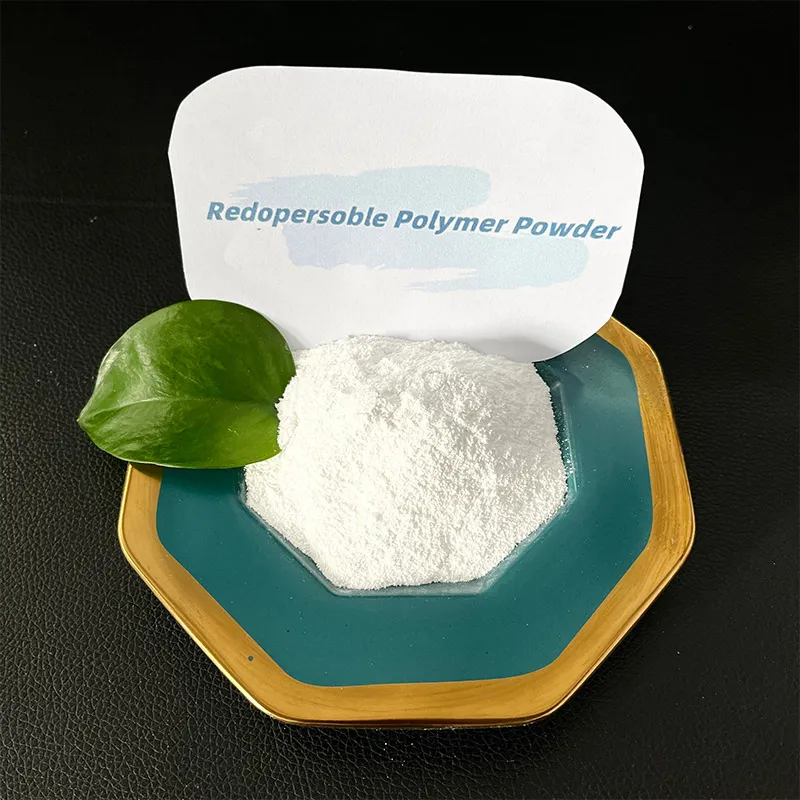
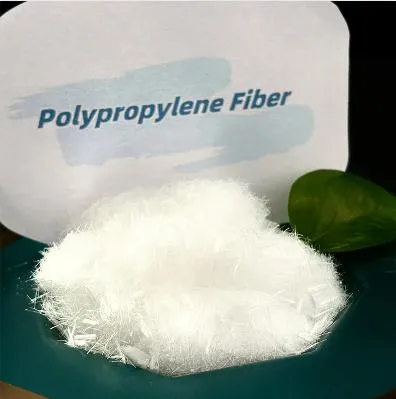
When it comes to enhancing the durability and strength of concrete, polypropylene fiber is an indispensable material. Known for its lightweight, corrosion-resistant properties, polypropylene fiber is widely used in construction to reinforce concrete, making it stronger, more durable, and more flexible. The addition of polypropylene fiber improves the overall performance of concrete by reducing cracking, improving freeze-thaw resistance, and providing better impact resistance. Whether you're working on large-scale infrastructure projects or residential buildings, incorporating polypropylene fiber into your concrete mix ensures high-quality, long-lasting results. Polypropylene Fiber in Concrete: Revolutionizing the Industry Polypropylene fiber in concrete is becoming a standard practice for improving the structural integrity of concrete mixes. When added to concrete, polypropylene fiber in concrete helps reduce the risk of microcracking, which can occur due to shrinkage or thermal stresses. The fibers disperse evenly throughout the mix, creating a more uniform and cohesive material. As a result, polypropylene fiber in concrete enhances the concrete’s durability and toughness, especially in high-stress environments like industrial flooring, highways, and bridges. With the increasing demand for sustainable construction, polypropylene fiber in concrete offers an affordable, eco-friendly solution for improving material performance. Find Quality Polypropylene Fiber for Sale Are you looking for polypropylene fiber for sale ? Look no further! We offer high-quality polypropylene fiber that meets the needs of various industries, especially in construction. Whether you’re looking to reinforce concrete, improve asphalt, or enhance other building materials, we have the right polypropylene fiber for sale for your project. Available in various grades and specifications, our polypropylene fiber products are designed to offer excellent performance, ease of use, and long-lasting results. Browse our selection of polypropylene fiber for sale and find the perfect match for your needs today! Understanding the Factors Behind Polypropylene Fiber Price The polypropylene fiber price can vary based on several factors, including the quality of the fiber, the quantity purchased, and the supplier. Typically, polypropylene fiber price is determined by the raw materials used, the manufacturing process, and the specific properties of the fiber. While polypropylene fiber price may differ between suppliers, investing in high-quality fibers ensures long-term benefits in terms of strength and durability. If you’re looking for the best value for your project, we offer competitive polypropylene fiber price s without compromising on quality. Contact us to discuss your requirements and get the most cost-effective solution for your concrete reinforcement needs. Why Choose Our Polypropylene Fiber for Your Construction Needs? Our polypropylene fiber products are carefully manufactured to meet the highest standards of quality and performance. Whether you need polypropylene fiber for sale in bulk for a large construction project or in smaller quantities for a specialized application, we can cater to your specific needs. With outstanding benefits like increased crack resistance, reduced shrinkage, and enhanced concrete durability, our polypropylene fiber is the perfect choice for improving the structural integrity of concrete. We offer highly competitive polypropylene fiber price s, ensuring that you get the best value for your investment. Trust us to provide top-quality polypropylene fiber for all your construction needs. Polypropylene Fiber FAQs What is polypropylene fiber used for in concrete? Polypropylene fiber in concrete is primarily used to enhance the strength and durability of the material. It helps prevent cracking by controlling shrinkage, improving impact resistance, and increasing freeze-thaw durability. By distributing evenly throughout the concrete mix, polypropylene fiber provides reinforcement that makes the concrete more resistant to stress and wear, resulting in longer-lasting structures. Where can I buy polypropylene fiber for sale? We offer a wide selection of polypropylene fiber for sale that meets the highest standards of quality, ensuring you get the best product for your concrete reinforcement needs. Browse our collection today and take advantage of our competitive prices. How does polypropylene fiber improve concrete? Polypropylene fiber improves concrete by enhancing its structural properties. It helps prevent cracking due to shrinkage, reduces the likelihood of surface wear, and improves the concrete’s resistance to water damage. Additionally, polypropylene fiber increases the material’s ability to withstand thermal and mechanical stresses, making it ideal for a wide range of applications in construction. What factors affect the polypropylene fiber price? The polypropylene fiber price is influenced by factors such as the grade of the fiber, the quantity purchased, and the supplier. High-quality polypropylene fiber designed for heavy-duty applications may have a higher price, while bulk purchases may lower the price per unit. We offer competitive polypropylene fiber price s, ensuring you get the best quality for your budget. Contact us for customized pricing based on your needs. Why should I choose your polypropylene fiber for my project? Our polypropylene fiber is designed for superior performance, offering outstanding crack resistance, durability, and flexibility in concrete. Whether you need polypropylene fiber for sale for a large construction project or a small-scale application, our products meet the highest industry standards. We provide polypropylene fiber at competitive prices, ensuring that you receive great value without compromising on quality. Trust us to deliver the best solution for your concrete reinforcement needs.
advantages
-

200000 Viscosities
Excellent product
We can produce pure products up to 200,000 viscosities
-

40000 tons
High yield
We don’t stop production all year round, and the annual output can reach 40,000 tons
-

24 hours
Quality service
We provide 24-hours online reception service, welcome to consult at any time
———— Inquiry Form
Schedule A services

-
 hpmc_e15_uses
Oct . 25, 2025
The Advantages of Glass Fiber Reinforced Polypropylene In recent years, the demand for advanced mate -
 hydroxypropyl_methyl_cellulose_manufacturers
Oct . 25, 2025
Hydroxypropyl Methyl Cellulose Ether Applications and Benefits Hydroxypropyl methyl cellulose ether -
 modified_starch_industry
Oct . 25, 2025
HPMC eye ointment has emerged as a revolutionary product in the realm of optical care, offering reli


